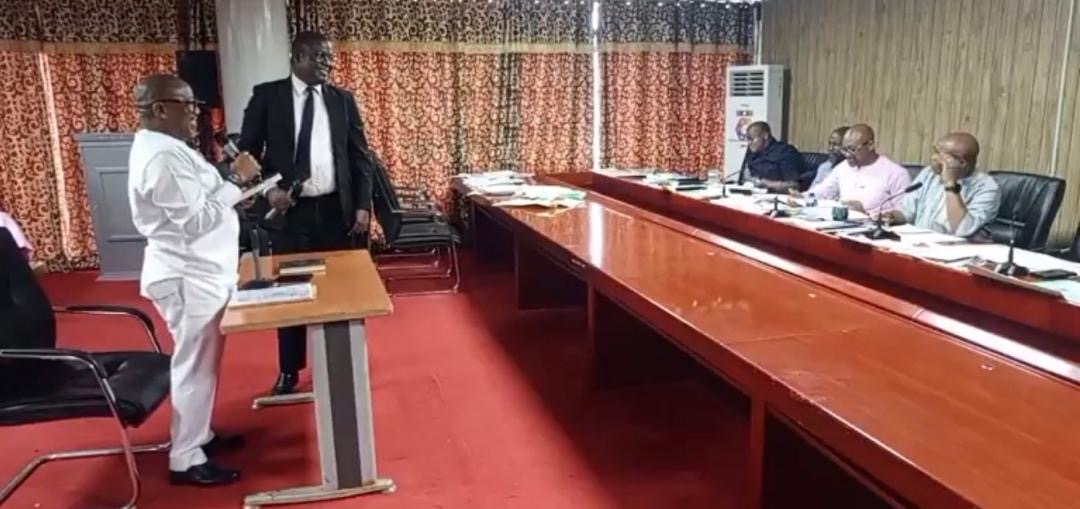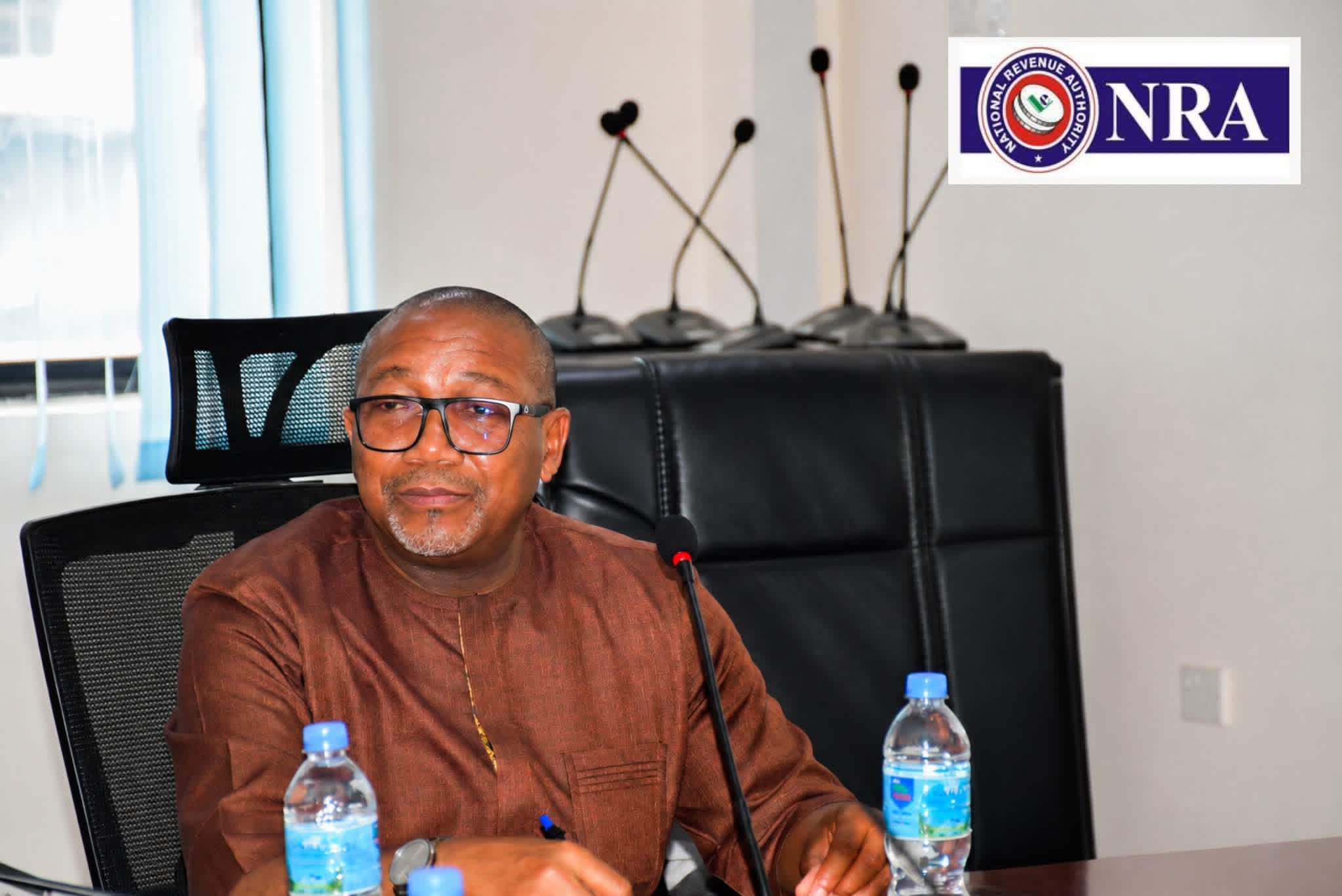



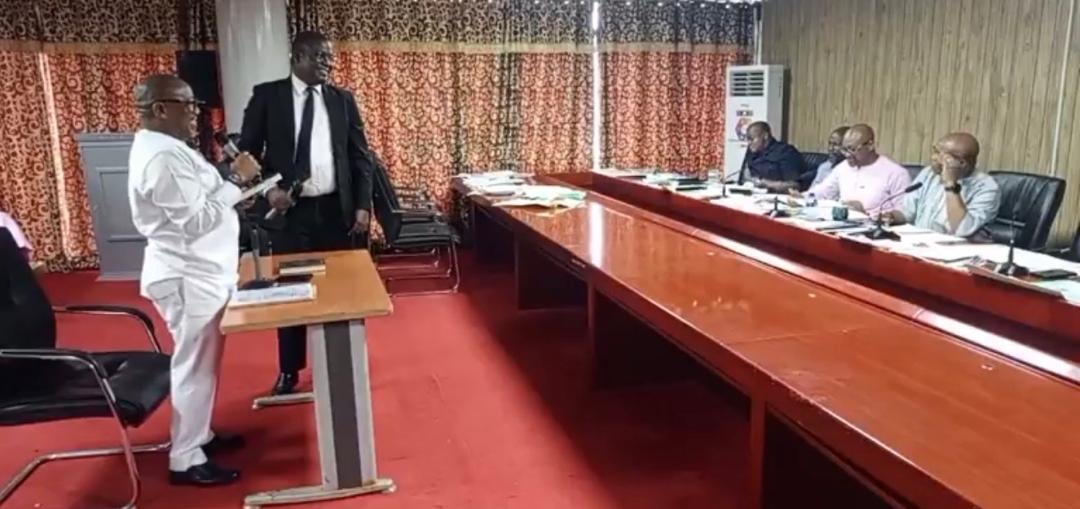
In a high-stakes parliamentary session marked by robust scrutiny and bipartisan consensus, the newly appointed Commissioner-General of the National Revenue Authority (NRA), Mr. Abu M. Kanneh, has laid out an ambitious blueprint to transform the nation’s tax administration. The hearing, which combined approval and stringent oversight, saw lawmakers from both the ruling Sierra Leone People’s Party (SLPP) and the All People’s Congress (APC) rally behind Mr. Kanneh while issuing a clear warning: his appointment is contingent on a dramatic surge in domestic revenue mobilisation .
The parliamentary interview and scrutiny session were dominated by urgent calls to address systemic revenue leakages and improve compliance. Mr. Kanneh, a seasoned professional with deep institutional knowledge of the NRA, was approved alongside 11 other presidential nominees, but the weight of expectation fell heavily on his shoulders as he takes the helm of the country’s fiscal engine . Lawmakers minced no words, telling the new Commissioner-General that there is no room for excuses. Majority Leader Hon. Sahr Matthew Nyuma set the tone by describing the NRA’s shortfall in Goods and Services Tax (GST), customs, and excise duties as an immediate priority. He urged Mr. Kanneh to ensure the effective deployment of 10,000 electronic cash registers, stressing that revenue targets must be grounded in reliable, current data rather than arbitrary projections .
A key theme of the scrutiny was the call for enhanced accountability and a “performance contract” between the Ministry of Finance and the NRA, which lawmakers vowed to monitor closely.
“Every day we pay GST,” Majority Leader Nyuma stated, questioning why taxes collected from consumers are not always properly receipted or accounted for. This sentiment was echoed by Deputy Opposition Leader Hon. Daniel Brima Koroma, who pressed the new Commissioner-General to raise domestic revenue above expenditure and close potential leakages involving foreign businesses and workers operating without required permits .
The lawmakers also delved into the NRA’s internal management. Hon. Aaron Aruna Koroma advised Mr. Kanneh to rely on the Authority’s professional workforce rather than spending time replacing personnel. APC Opposition Leader Hon. Abdul Kargbo issued a stark warning against factionalism, stating that staff who fear losing their jobs could weaken the institution . Further highlighting the need for fiscal prudence, Hon. Mustapha Sellu questioned the NRA’s reported annual office-rental bill of more than US$1 million, suggesting a move to government-owned premises to reduce costs. He also raised concerns over outstanding tax refunds, questioning the fairness of pursuing tax arrears while taxpayers remain owed refunds by the state .
A Reformed Approach to Tax Collection In response to the parliamentary demands, the NRA has already signaled a shift toward a reform-oriented strategy that emphasises automation and systemic change over mere enforcement. Under the previous management, the NRA exceeded its 2025 revenue target by NLe92 million, and the new leadership is looking to build on that foundation .
Key priorities include the full digitalisation of services, deeper integration with commercial banks to modernise tax collection, and the implementation of the Tax Administration Diagnostic Assessment Tool (TADAT). A specific focus is being placed on overhauling GST collection, where revenue losses have been significant. The NRA is exploring models like the ‘tax-deductible-at-source’ model, which would see telecom operators deduct GST automatically, for example, during mobile money electricity top-ups .
A Future of High Expectations The parliamentary session concluded with a clear message: the NRA is central to Sierra Leone’s fiscal stability and development ambitions. Mr. Kanneh has received the backing of the legislature, but the political consensus is that his success will be measured by tangible results. The demands are precise: better GST compliance, stronger customs collection, data-driven targets, effective digital tax systems, tighter internal management, and greater cost efficiency .
With a projected 20 percent increase in revenue targets for 2026, the new Commissioner-General’s task is clear. As Parliament shifts its focus to oversight, the next test for Mr. Kanneh is whether he can turn this political support into a sustained and transformative rise in domestic revenue for the nation .