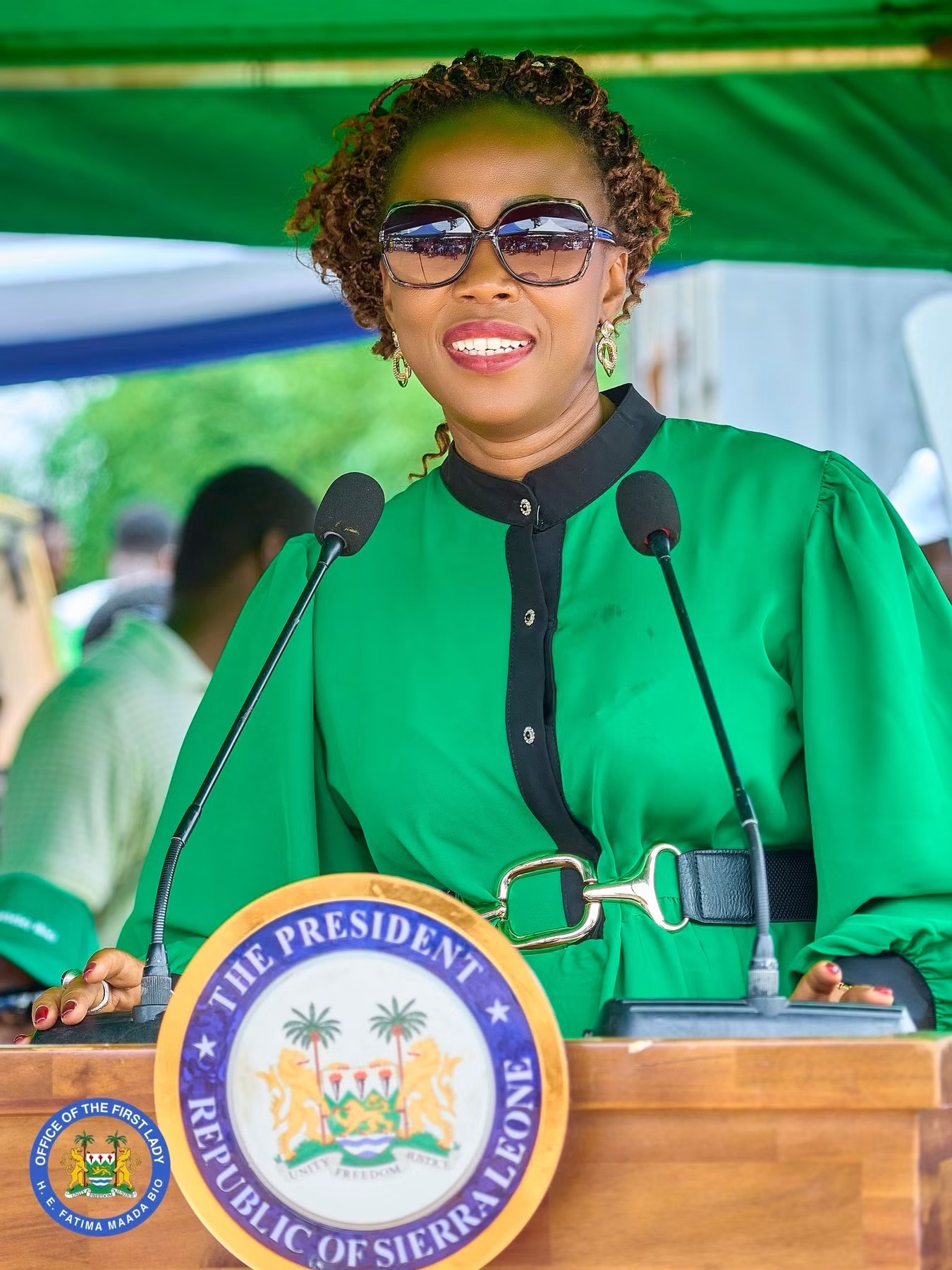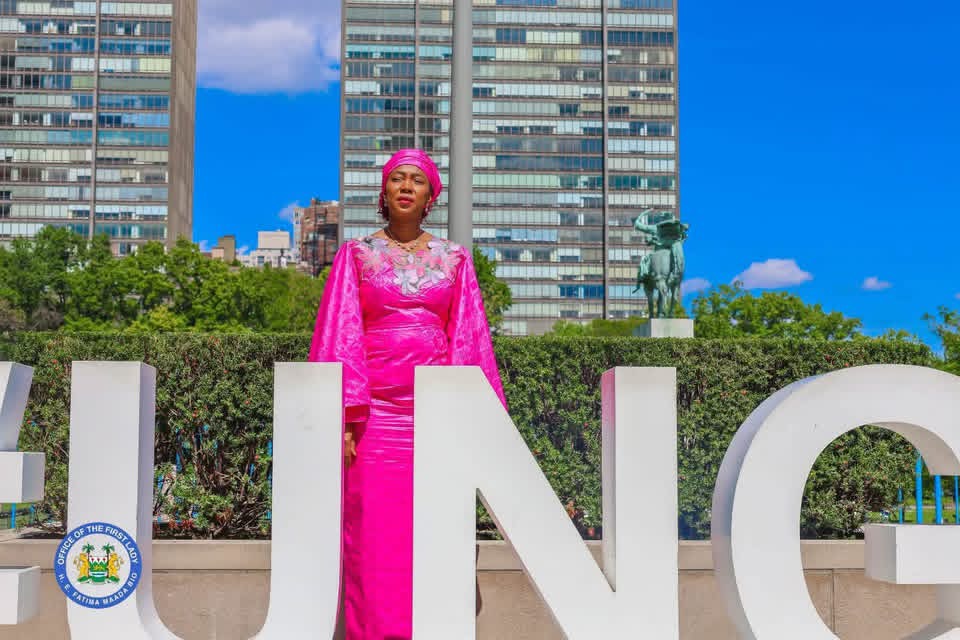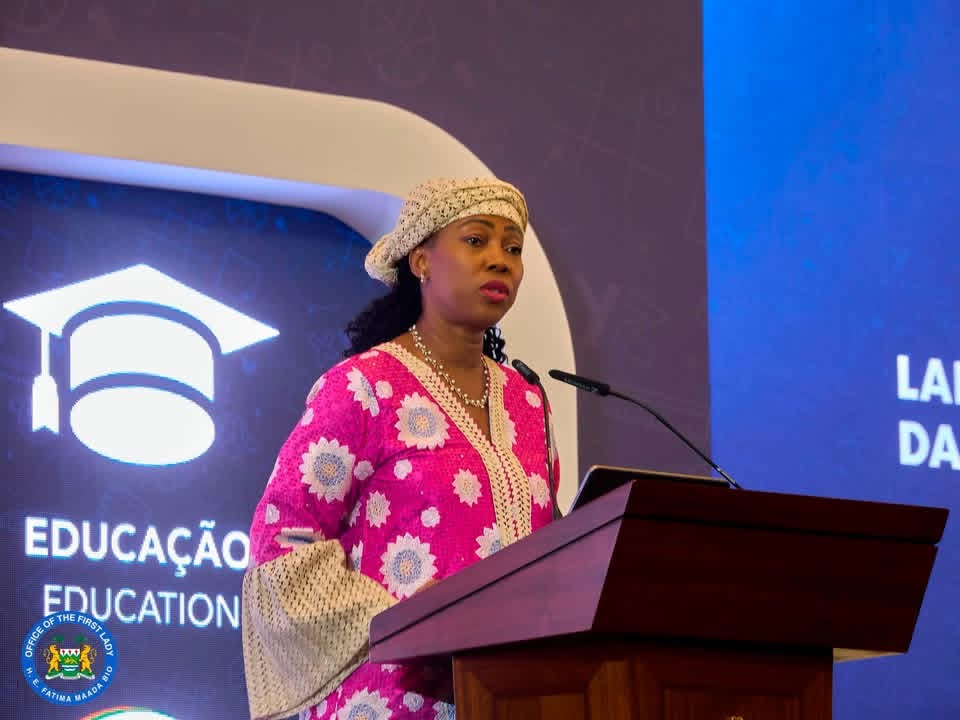


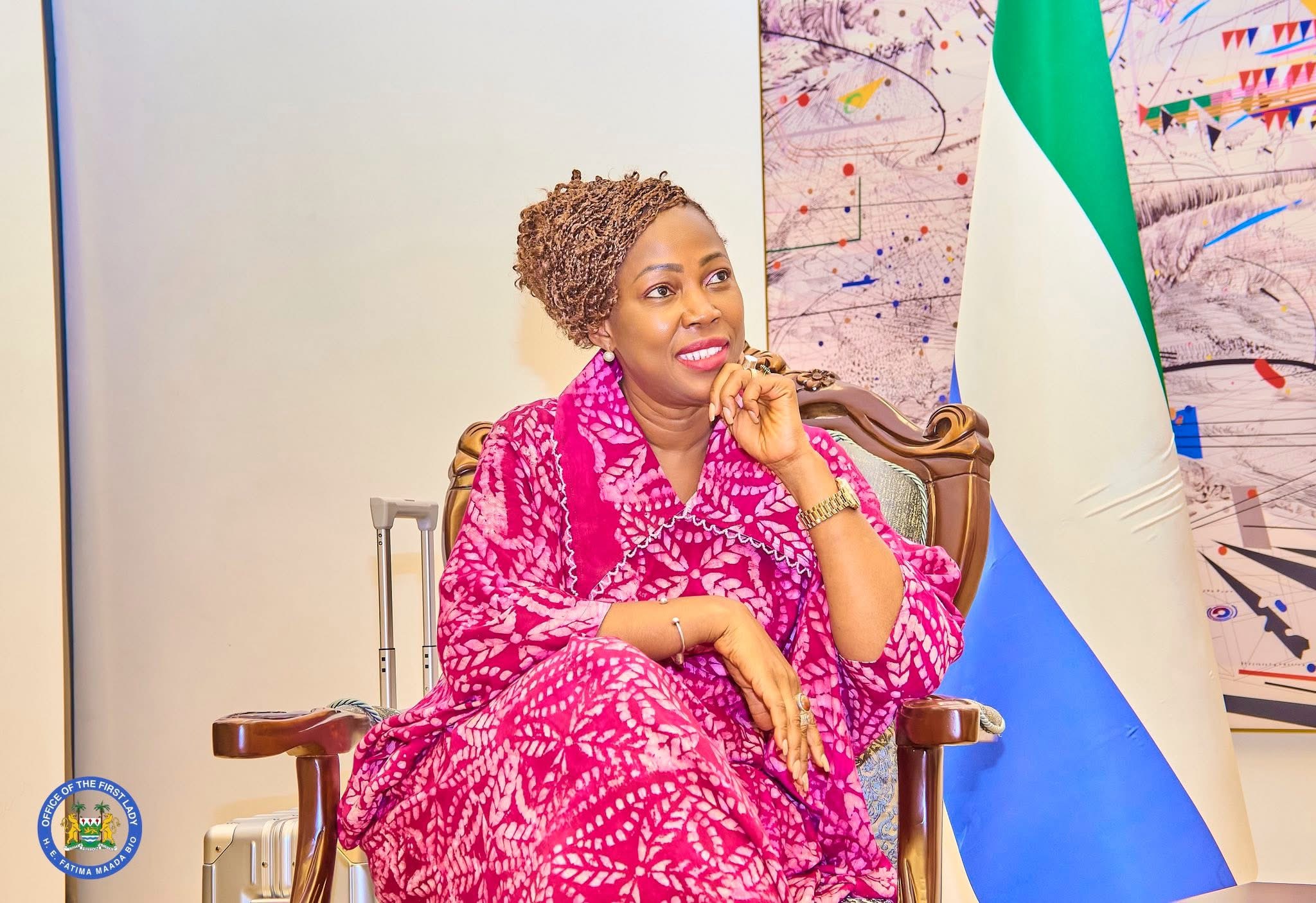
Sierra Leone’s campaign against child, early, and forced marriage is poised for renewed international attention on September 4, when First Lady Dr. Fatima Maada Bio returns to the United Nations General Assembly in New York. She will champion a proposed global initiative aimed at protecting girls from the practice.
Dr. Bio is expected to present a draft resolution calling for the establishment of an International Day for the Elimination of Child, Early and Forced Marriage. If adopted, the initiative would place Sierra Leone at the heart of a global conversation on girls’ rights, protection, and future prospects.
More than a symbolic gesture, the proposed day would create an annual international platform for governments, civil society, communities, and young people to raise awareness, strengthen policies, share effective interventions, and mobilise resources against child marriage. For Sierra Leone, it represents another effort to translate domestic advocacy into lasting international commitment.
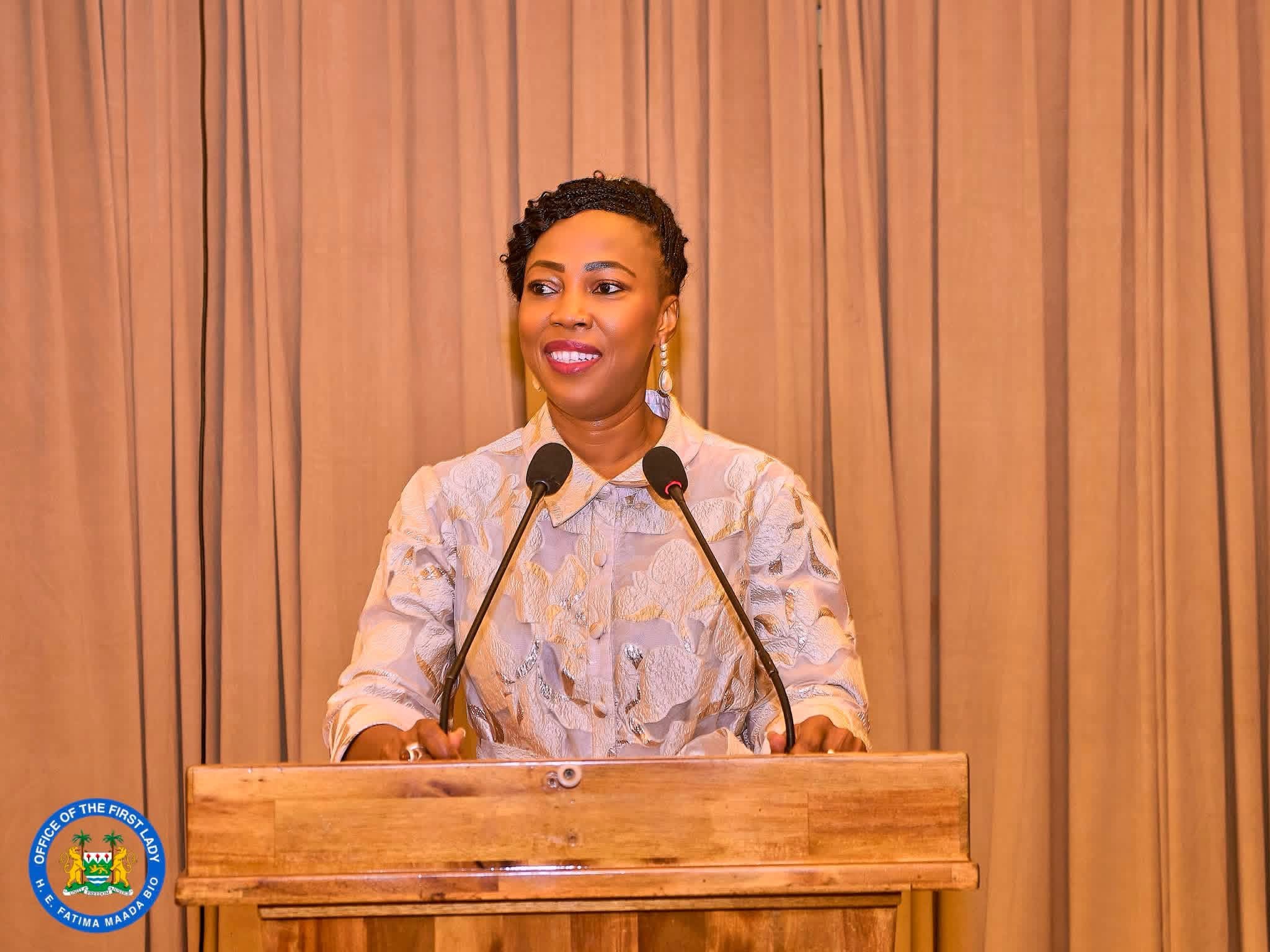
This will mark Dr. Bio’s second address to the UN on the issue, reinforcing her sustained campaign against practices that deprive girls of education, expose them to early pregnancy, and undermine their physical, emotional, and economic wellbeing.
Child, early, and forced marriage remains a major global development and human-rights concern. For many girls, it abruptly ends education and curtails opportunities for full participation in economic and social life. The proposed international day seeks to keep the issue firmly on the global agenda and encourage countries to move beyond declarations toward concrete protective measures.
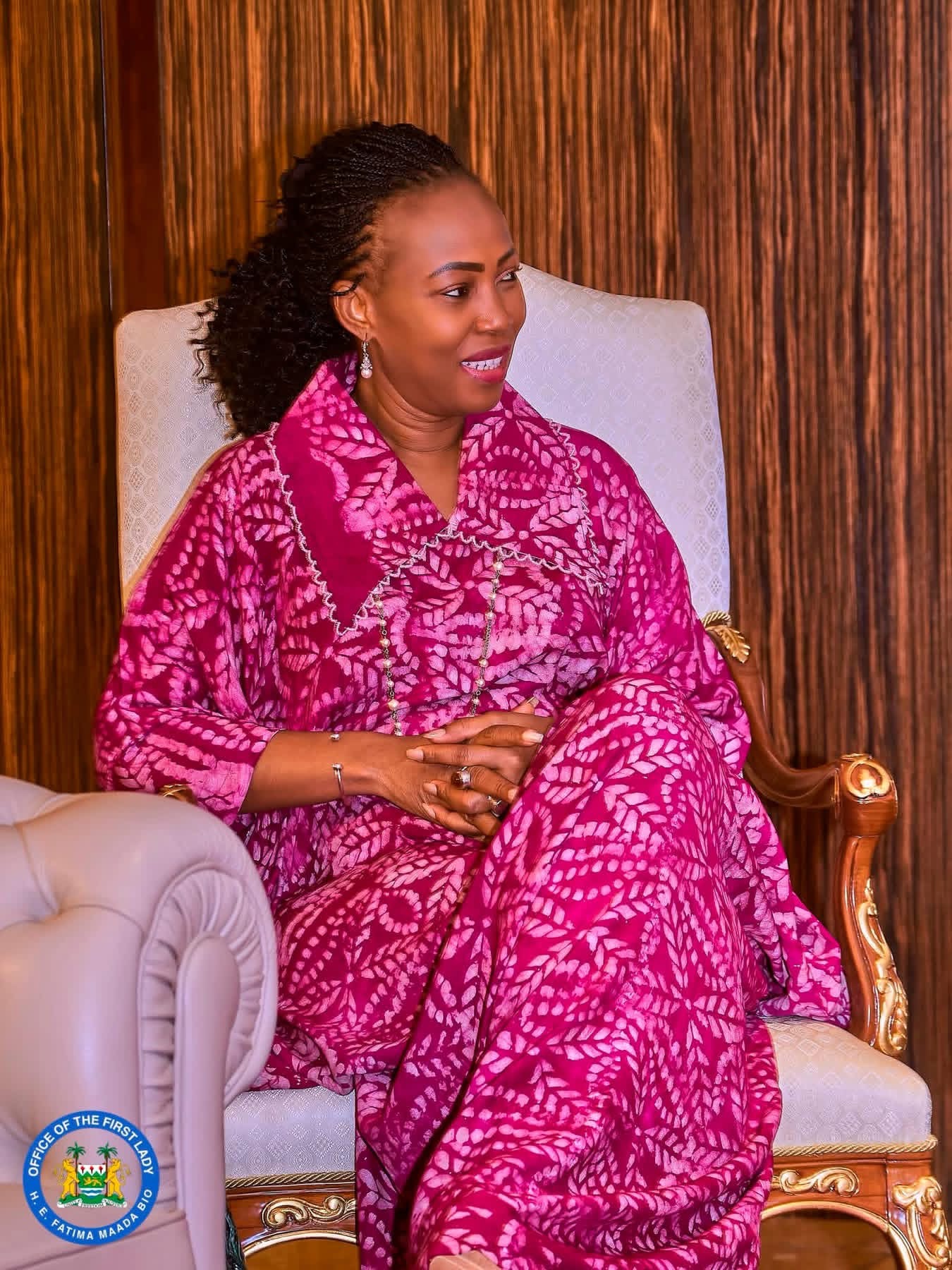
Dr. Bio’s renewed advocacy comes on the heels of growing international recognition for her work in women’s health. On August 26, 2026, OncoDaily named her among its 100 Influential Women in Oncology for 2026, citing her efforts to strengthen Sierra Leone’s cancer-care workforce. Her partnership with the Merck Foundation has supported specialist training and scholarships, contributing to the country’s first locally trained oncologists and broader cancer-care capacity. The publication also highlighted her advocacy for breast cancer awareness and early detection.
This recognition adds another dimension to her profile as an advocate who combines public awareness with capacity-building. Rather than limiting her role to campaigns, she has used partnerships and institutional platforms to support specialist training and health-sector expertise—a record that gives her upcoming UN intervention particular weight.
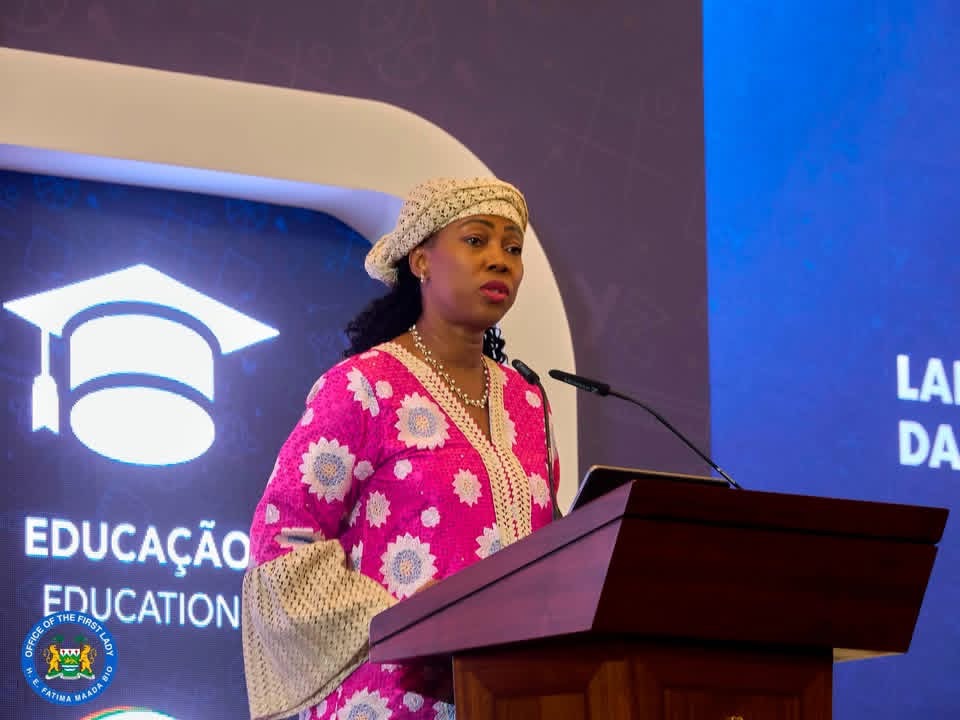
The September 4 initiative offers Sierra Leone a chance to frame one of its longstanding social challenges within the wider international human-rights and development agenda. As President of the Organisation of African First Ladies for Development (OAFLAD) for the 2025–2027 period, Dr. Bio has increasingly used regional and global platforms to champion women’s health and girls’ wellbeing. Her UN appearance is expected to connect Sierra Leone’s national experience with the broader African and global struggle against child marriage.
The proposed International Day could also increase visibility for organisations and governments already working to prevent child marriage, while encouraging stronger collaboration among policymakers, development partners, women’s groups, and communities. For advocates, the central issue is straightforward: every girl should have the opportunity to stay in school, make decisions about her future, and reach adulthood free from forced marriage.
Ultimately, the proposal’s significance lies beyond diplomatic chambers. An international day alone cannot eliminate child marriage. Its value will depend on whether it generates stronger political commitment, sustained public education, effective laws, enforcement, financing, and tangible support for vulnerable girls. The resolution can provide the spotlight, but governments and communities must translate that attention into practical action.
For Sierra Leone, Dr. Bio’s intervention demonstrates how a national campaign can be elevated to the global stage. It also positions the country to advocate for stronger international cooperation on a problem that transcends borders and affects girls across diverse cultures and communities.
As Dr. Fatima Maada Bio prepares to return to the UN podium on September 4, her message is expected to be clear: protecting girls from child, early, and forced marriage is not merely a women’s issue or a domestic policy concern—it is a matter of human rights, education, health, dignity, and the future of nations. For Sierra Leone’s First Lady, this latest initiative marks another step in a broader campaign to ensure that protecting women and girls is matched by concrete action from classrooms and healthcare systems to the highest levels of international diplomacy.