

Dr.Fatima Maada Bio: A Champion of Women and Girls' Empowerment
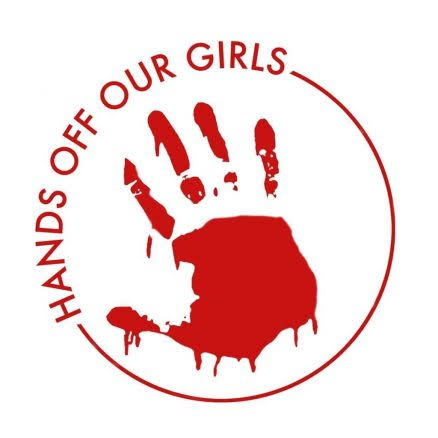
In a nation where women and girls have long faced systemic barriers to education, health, and safety, Sierra Leone's First Lady, Dr. Fatima Maada Bio, has emerged as one of the most visible and vocal advocates for their empowerment transforming the role of First Lady into a platform for tangible change. From the presidency's highest office to the most remote communities in the provinces, Dr. Bio has consistently placed the rights and welfare of women and girls at the center of her public life, earning her recognition both at home and on the international stage. Since assuming the role of First Lady, Dr. Bio has championed several high-impact initiatives aimed at protecting vulnerable populations and expanding opportunities for women and young girls. Among her most notable campaigns is the "Hands Off Our Girls" initiative, a national movement launched to combat sexual violence, rape, and the abuse of underage girls. The campaign has been credited with raising public awareness, encouraging survivors to speak out, and pushing for stronger legal protections. In addition, Dr. Bio has been a relentless advocate for keeping girls in school. She has worked to address menstrual health challenges—often a silent reason for school dropout—by distributing sanitary pads and promoting menstrual hygiene management across the country. Her efforts have helped destigmatize a once-taboo subject and keep thousands of girls in classrooms. Under her leadership, the Office of the First Lady has supported legislative and community-based efforts to end child marriage, a practice that continues to affect many young girls in Sierra Leone. Dr. Bio has publicly spoken against parents and guardians who force underage daughters into marriage, calling it "a theft of their future." Her advocacy has also extended to economic empowerment. Through skills training programs, microloan schemes, and support for market women, Dr. Bio has helped hundreds of women across Sierra Leone's 16 districts achieve financial independence. "It is not enough to feel sorry for our women and girls," Dr. Bio said during a recent public engagement. "We must act. We must give them the tools, the education, and the protection they need to build their own futures." National and International Recognition Dr. Bio's work has not gone unnoticed. She has received multiple awards and invitations to address global forums on women's issues, including recognition from international bodies and philanthropic organizations. Her ability to bridge grassroots activism with high-level advocacy has made her a sought-after voice on gender equality in West Africa. At home, many women's groups and civil society organizations have praised her accessibility and willingness to engage directly with survivors and activists. Navigating Controversy With Conviction Recently, Dr. Bio has faced criticism from some anti-FGM campaigners over her refusal to publicly condemn Female Genital Mutilation under external pressure. In response, she has maintained that her approach is rooted in evidence and cultural sensitivity, insisting that she will not be swayed by ultimatums or what she describes as politically motivated attacks. Despite the controversy, she has reiterated that her commitment to protecting women and girls remains unchanged. "No one can question my record on women's rights," she declared in a recent statement. A Legacy in the Making As Sierra Leone continues to grapple with gender-based violence, high maternal mortality, and educational disparities, observers note that Dr. Fatima Maada Bio has used her platform to keep these issues in the national spotlight. Whether through her "Hands Off Our Girls" campaign, her fight against period poverty, or her defense of girls' education, the First Lady has positioned herself as a champion whose impact may well outlast her tenure. For many women and girls across Sierra Leone, Dr. Bio represents not just the wife of the President, but a voice and a fighter for their rights.