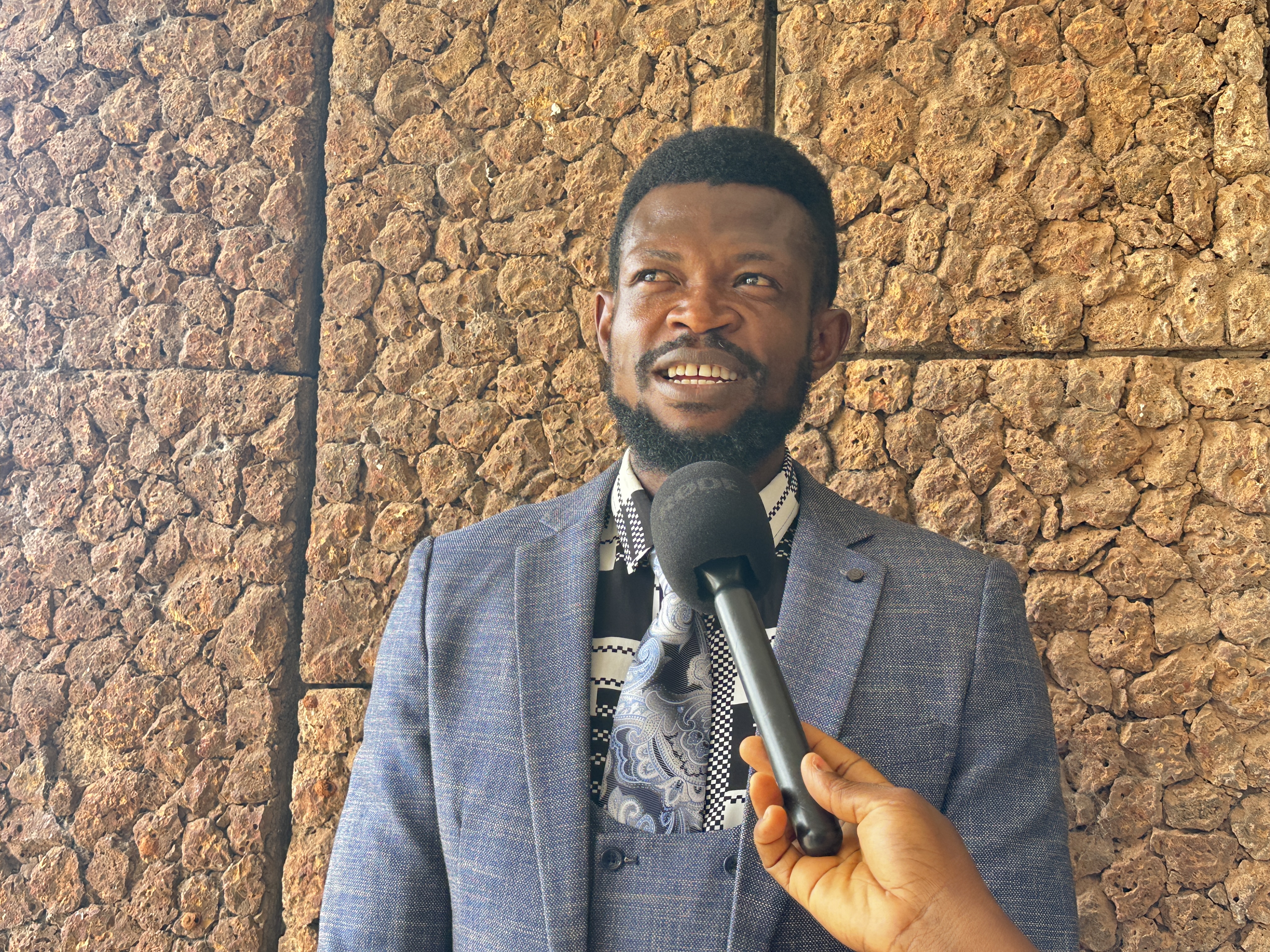



The ruling Sierra Leone People’s Party (SLPP) National Secretary General, Hon. Umar Paran Tarawally, has suggested that the 2028 general elections could be conducted under the Proportional Representation (PR) system, citing constitutional provisions and the delayed conduct of the national census.
Tarawally made the assertion while pointing to Section 38(A) of the Constitution, arguing that the constitutional framework and prevailing electoral circumstances could make Proportional Representation the applicable system for the next general elections.
“Anyhow you look at it, the 2028 election is going to be PR,” Tarawally reportedly stated, linking his position to the census and the constitutional requirement governing the conduct of elections.
His comments are likely to reignite the national debate over the electoral system to be used in 2028, particularly following Sierra Leone’s transition from the First-Past-the-Post system to a Proportional Representation-based arrangement for the 2023 elections.
At the heart of Tarawally’s argument is the issue of the national census and the determination of parliamentary constituencies.
Under Sierra Leone’s constitutional framework, the establishment and review of constituencies are closely connected to population figures. The census provides the demographic basis for determining electoral boundaries and representation.
The SLPP official’s reference to the delayed census therefore raises questions about whether the country will have sufficient time to complete the census, undertake constituency delimitation and implement any resulting changes before the 2028 elections.
If constituency boundaries cannot be reviewed in accordance with constitutional and electoral requirements, proponents of PR could argue that a nationwide proportional system provides an alternative mechanism for allocating parliamentary seats without relying on newly delimited constituencies.
Section 38(A) forms part of the constitutional provisions dealing with the conduct and administration of elections. Its interpretation has become increasingly important in discussions surrounding Sierra Leone’s electoral arrangements.
Tarawally’s statement appears to suggest that the constitutional provisions, when considered alongside the census situation, could make PR the practical or legally appropriate option for 2028.
However, the question of which electoral system will ultimately apply cannot be determined solely by a political declaration. It would depend on the Constitution, relevant legislation, decisions of the Electoral Commission and any constitutional or legislative changes adopted before the election.
The issue could therefore become a major subject of political and legal debate as the country approaches 2028.
Sierra Leone used the District Block Proportional Representation system for the 2023 parliamentary elections, replacing the traditional First-Past-the-Post arrangement.
The PR system generated significant debate among political parties, civil society organisations and election observers, particularly over how parliamentary seats were allocated and how votes translated into representation.
The opposition All People’s Congress (APC) strongly criticised the electoral arrangement and subsequently challenged aspects of the 2023 electoral process.
The eventual adoption of a proportional system for the next election would therefore have implications beyond the technical administration of voting. It could influence campaign strategies, candidate selection, party alliances and the distribution of parliamentary seats.
Tarawally’s declaration is also politically significant because the 2028 elections are expected to be intensely competitive.
The electoral system can substantially influence how political parties organise themselves. Under a proportional system, parties may focus more heavily on securing a strong overall share of the vote rather than winning individual constituencies.
This could encourage parties to broaden their national appeal and strengthen party structures across districts.
It could also affect the prospects of smaller political parties, depending on the specific PR formula and threshold applied.
For the governing SLPP and the opposition APC, the question of the electoral system will therefore be central to preparations for 2028.
With four years before the next general elections, political parties and the public are likely to demand early clarity from the Electoral Commission and other relevant institutions on the legal framework that will govern the polls.
Questions surrounding the census, constituency boundaries, voter registration, electoral laws and the applicable voting system will need to be addressed well before election day to prevent uncertainty and political disputes.
Civil society groups and election stakeholders are also expected to closely scrutinise any proposed changes to the electoral system to ensure that they comply with the Constitution and reflect broad national consensus.
For now, Tarawally’s categorical assertion that “anyhow you look at it, the 2028 election is going to be PR” has placed the issue firmly back on the national political agenda.
Whether PR becomes the definitive electoral model for 2028, however, will ultimately depend on the constitutional and legal framework in force at the time, as well as decisions by the institutions responsible for conducting Sierra Leone’s elections.