

Sierra Leone is blessed with valuable mineral resources. The country has large deposits of iron ore, rutile, bauxite, gold and diamonds. These resources have the potential to create jobs, improve public services and lift millions of people out of poverty.
But for many people living in mining communities, that promise has not become reality. Despite years of mining, many villages still struggle with poor roads, unemployment, lack of clean drinking water, weak healthcare services and inadequate schools.
This has led many Sierra Leoneans to ask a simple question, Who is really benefiting from the country's mineral wealth?
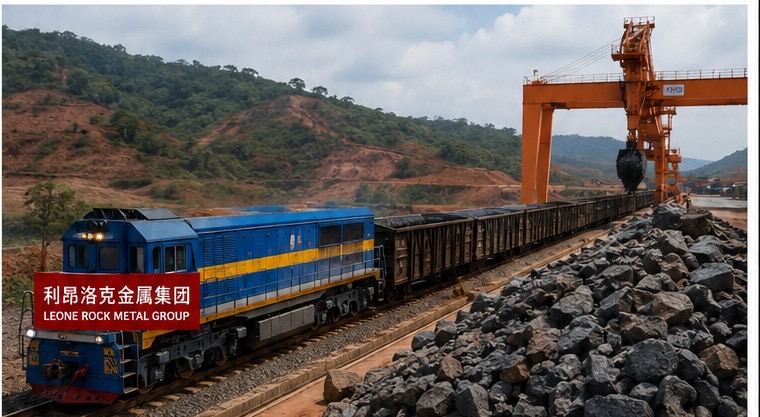
One of the clearest examples is the railway operated by Leone Rock Metal Group (LRMG), The railway runs from the iron ore mines in Tonkolili District to Pepel Port. Every day, long trains loaded with iron ore travel to the port, where the minerals are loaded onto large ships and exported, mainly to China.
The railway was introduced as a major investment that would support economic growth and create jobs. However, many people believe its main purpose is to move iron ore quickly from the mines to the port for export, with little direct benefit to ordinary Sierra Leoneans.
Residents living along the railway say they watch train after train carrying the country's wealth away while their own communities continue to lack electricity, good schools, hospitals and clean water.
One resident told this medium, "Every day we watch our country's wealth leave, but our lives remain the same."
Many people in mining communities share this feeling. They say they expected mining to bring development, but their living conditions have changed very little.
The export process is simple. Iron ore is mined, transported by rail to Pepel Port, stored there and then loaded onto cargo ships for export. In countries that import the ore, it is processed into steel and other industrial products.
Many economists say Sierra Leone loses an important opportunity by exporting raw minerals instead of processing them at home. They believe local processing plants and steel factories could create thousands of jobs, increase government revenue and help grow the country's economy.
There are also growing calls for greater transparency in the mining sector. Civil Society Organisations (CSOs), want mining contracts, production figures, export volumes and royalty payments to be made public. They argue that citizens have the right to know how much mineral wealth leaves the country and how much money reaches the national treasury.
Some groups are also calling for independent audits of mineral production and exports to strengthen public confidence and improve accountability.
Environmental concerns remain another major issue. Some communities complain about dust, noise, damaged farmland and polluted water caused by mining activities. Farmers say they have lost productive land, while some fishermen are worried about the condition of nearby rivers and streams.
Community leaders also say families affected by mining should receive fair compensation and support to rebuild their livelihoods. They believe agreements between mining companies and host communities should be fully honoured and respected.
Supporters of large-scale mining argue that foreign investment is important for Sierra Leone's economy. They point to jobs created, taxes paid, infrastructure built and foreign exchange earned through mineral exports. They also note that mining requires huge financial investment and technical expertise.
However, many experts say the real issue is not whether mining should continue, but whether Sierra Leone is receiving a fair share of the benefits from its natural resources.
For this reason, many governance experts and civil society groups are calling for stronger oversight of mining agreements, tougher environmental enforcement, better collection of royalties and greater investment of mining revenue in education, healthcare, roads and agriculture.
Others believe the country should process more of its minerals before exporting them. This would create more jobs, support industrial growth and increase the value of Sierra Leone's exports.
Many residents also want mining companies to invest more in schools, hospitals, vocational training, water supply and other community projects that improve people's daily lives.
Some observers believe the railway could also serve the wider public if it were expanded to carry passengers and commercial goods, instead of being used mainly to transport minerals. They say this could improve transportation, reduce business costs and support national development.
Sierra Leone's minerals remain one of the country's greatest assets. But their true value will not be measured only by the amount exported. It will also be judged by whether mining improves the lives of ordinary citizens.
As trains continue carrying iron ore from the mines to Pepel Port, many Sierra Leoneans hope that the country's natural wealth will one day bring better schools, quality healthcare, reliable electricity, good roads and decent jobs.
For that to happen, many observers believe Sierra Leone will need greater transparency, stronger accountability, responsible environmental management and mining policies that put the interests of the country and its people first.