


For many years, public auditing in Sierra Leone was largely associated with exposing missing funds, accounting errors and financial irregularities. Annual audit reports often generated public debate, but they rarely answered a more fundamental question. Are public institutions delivering quality services to the people?
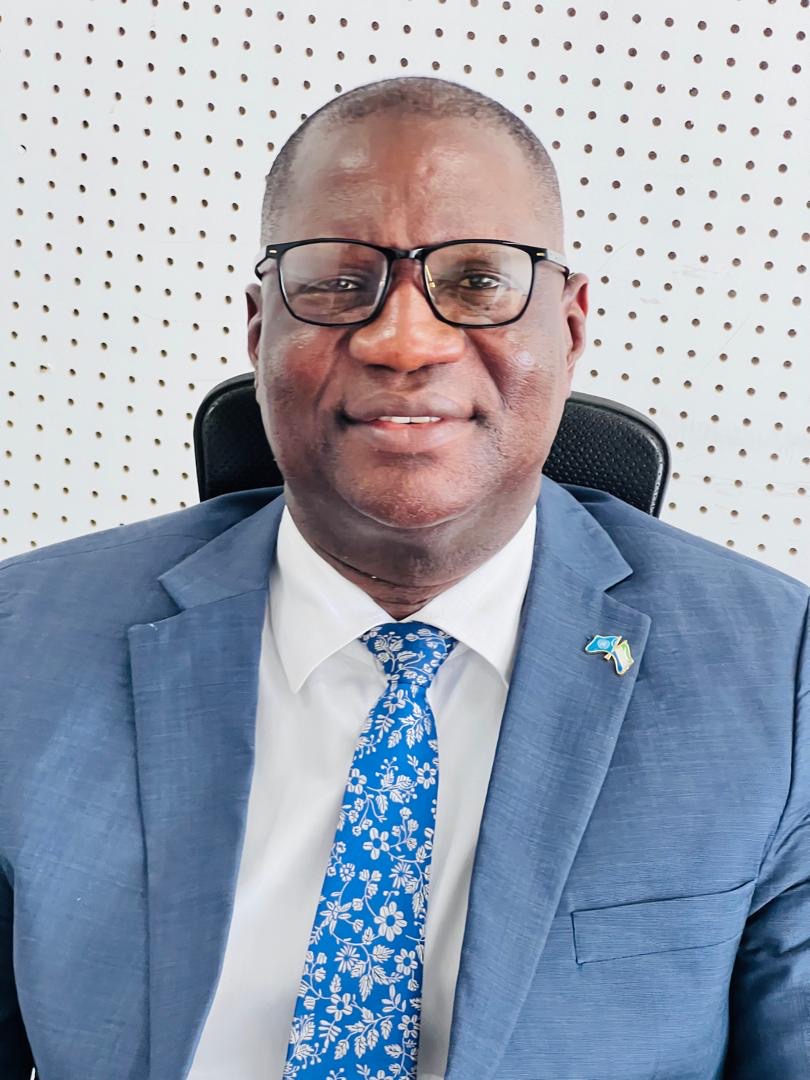
Under the leadership of Auditor-General Abdul Aziz, the Audit Service Sierra Leone (ASSL) has gradually shifted its approach from simply identifying financial mismanagement to assessing whether public resources are being used efficiently, effectively and economically to improve the lives of citizens. This transformation has placed greater emphasis on value-for-money and performance auditing, making public audits more relevant to national development.
The Audit Service, established under Section 119 of the 1991 Constitution and the Audit Service Act, has the constitutional mandate to audit all public institutions that receive public funds. While financial and compliance audits remain central to its work, the institution has increasingly expanded performance audits that evaluate whether government programmes achieve their intended objectives and whether taxpayers receive value for the money spent.
This change reflects a broader understanding that accountability is not only about balancing financial records but also about measuring the quality of public service delivery.
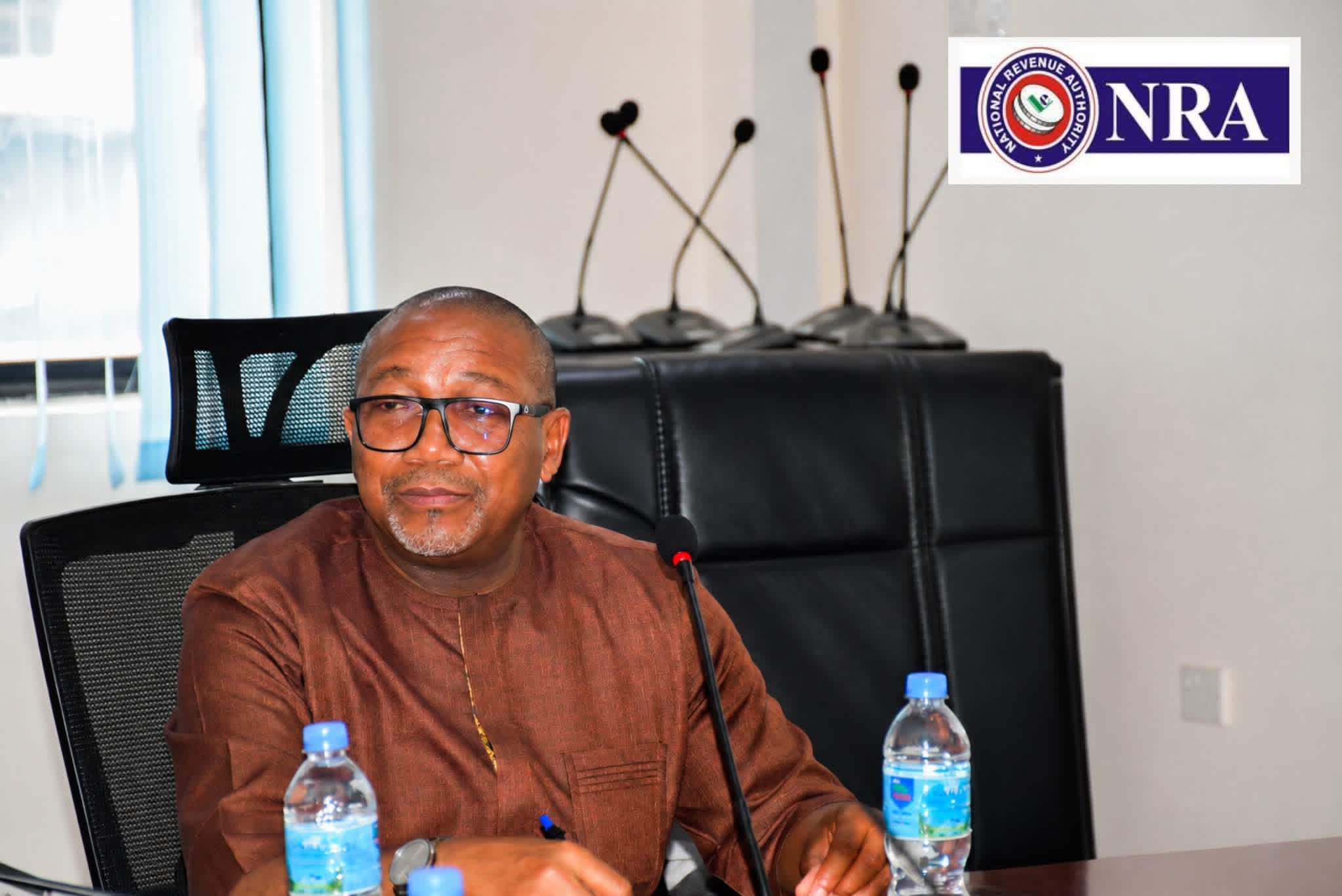
Speaking during engagements with Civil Society Organisations, Abdul Aziz explained that the Audit Service has gone beyond the traditional examination of financial records to focus more directly on service delivery that impacts the lives of ordinary citizens. He noted that performance audits now examine not only economy, efficiency and effectiveness, but also environmental sustainability and equity in the implementation of government programmes.
The practical impact of this approach can be seen in the wide range of specialised performance audits undertaken by the Audit Service in recent years. These include assessments of government efforts to achieve food sufficiency, disaster risk reduction, youth empowerment programmes, water resource management, public debt management, higher education examinations, environmental conservation and anti-money laundering systems. Rather than merely highlighting accounting deficiencies, these reports evaluate whether public policies are delivering measurable results for citizens.
Such audits provide policymakers, Parliament and the public with evidence on what is working, where weaknesses exist and what corrective actions are required. They also help ministries and agencies improve planning, implementation and service delivery.
Another significant aspect of Abdul Aziz's leadership has been changing the perception of auditing from a punitive exercise to a constructive tool for institutional improvement.
During meetings with Ministries, Departments and Agencies (MDAs), he has consistently emphasised that audits are not intended to embarrass or punish public officials. Instead, they are designed to strengthen financial management, improve governance and add value to public institutions while ensuring better services for citizens.
This collaborative approach encourages government institutions to implement audit recommendations rather than merely respond defensively to audit findings.
The Audit Service has also strengthened engagement with civil society organisations and other stakeholders, recognising that effective accountability requires public participation. By involving non-state actors in monitoring the implementation of audit recommendations, the institution seeks to ensure that audit findings translate into tangible improvements in governance and public service delivery.
The growing emphasis on performance auditing has also enhanced Sierra Leone's reputation within the international audit community. The Audit Service continues to align its work with the International Standards of Supreme Audit Institutions (ISSAIs), ensuring that its reports meet globally recognised professional standards.
Ultimately, the success of any audit institution should not be measured solely by the number of financial irregularities it uncovers but by the extent to which its work contributes to better governance and improved public services.
Through strengthened financial, compliance and performance audits, Auditor-General Abdul Aziz has helped reposition the Audit Service Sierra Leone as an institution that not only safeguards public funds but also promotes efficiency, transparency and accountability in government.
As Sierra Leone continues its pursuit of sustainable development, this evolution in public sector auditing represents an important step towards ensuring that every Leone spent delivers real value to the people.